TikkiTV topic
#dayzerosurvival
13 public videos
 0
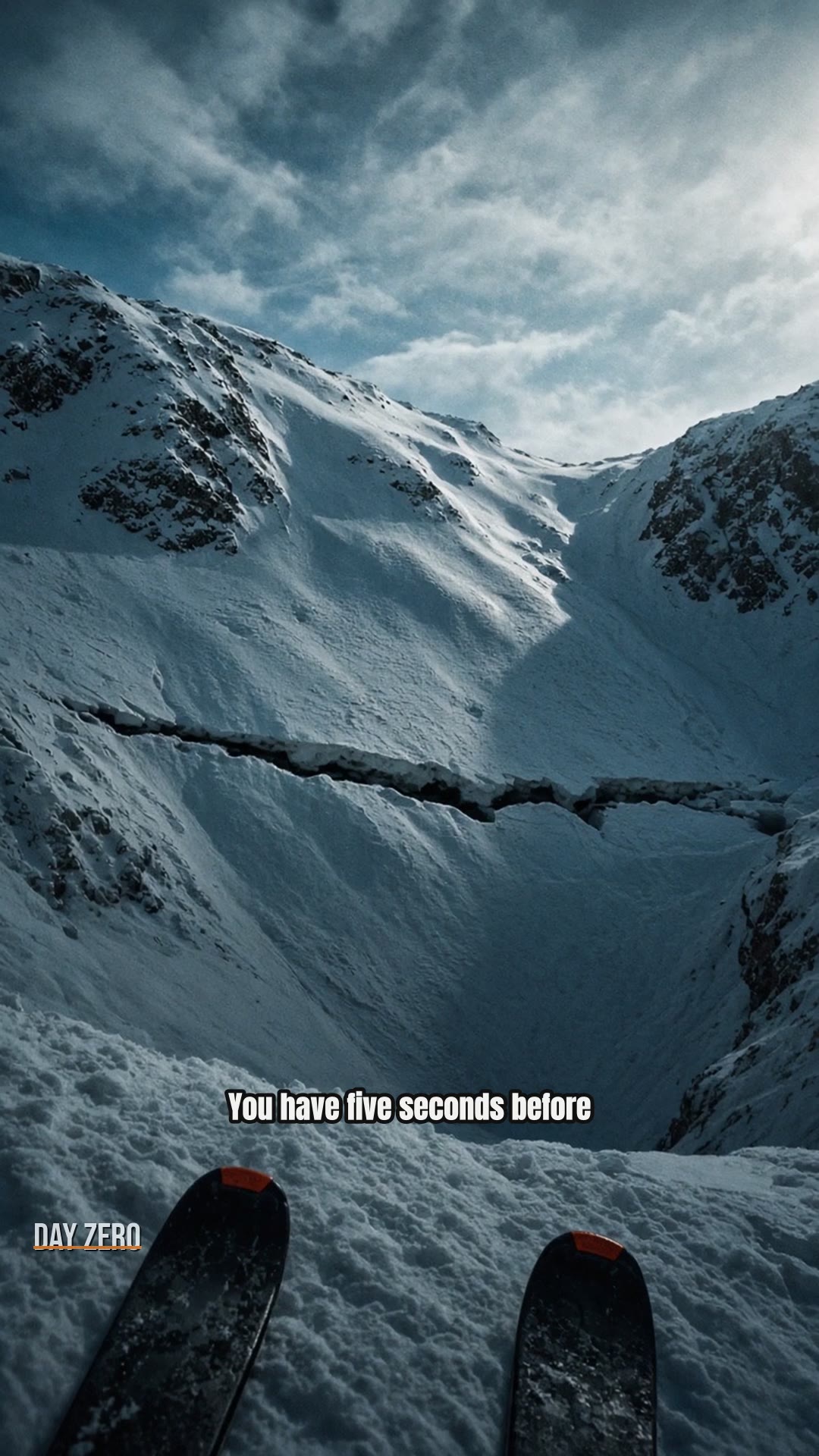
The Slope Just Cracked. The Avalanche Is Coming Down. Your Move. You have 5 seconds before the slab reaches you. Don't run downhill. What's your move? A whoomph. A crack across the snow. The whole slope is moving. You can't outrun it down the fall line. Get off the slab — move at an angle toward the side. If it takes you: ditch your poles, swim to stay on the surface, and keep a hand in front of your face for an air pocket. When the snow stops it sets like concrete. Spit to tell up from down. Then stay still and save oxygen. Side. Swim. Air pocket. What do you do? Comment your pick. This is an original Day Zero Survival short: one dilemma, one decision window, built on standard avalanche-safety guidance (Parks Canada / avalanche education: get off the slab, swim, air pocket). Travel with a transceiver, probe and shovel. It is a story, not professional safety training — in a real emergency, call your local emergency number if you can and follow official instructions. Visuals and voices made with AI assistance. #DayZeroSurvival #survivaltips #safety #emergencypreparedness #lifeskills
@dayzerosurvival · 0 views
 0
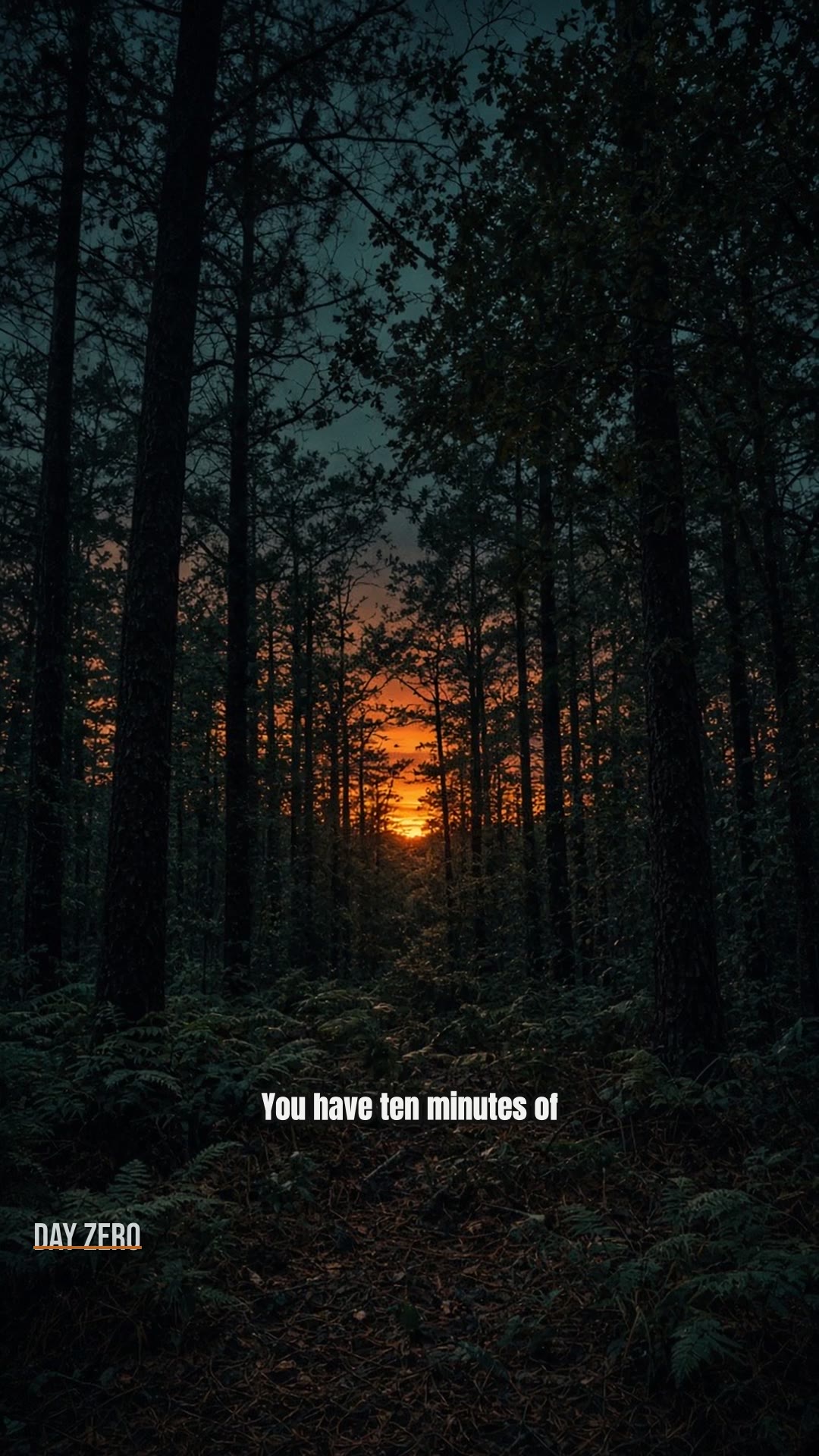
You're Lost in a Forest at Night. You Hear a Road — or Think You Do. You have 10 minutes of daylight left and 4% battery. Do you chase the "road" — or stay put before the forest swallows you? You left the trail at dusk. Now every tree looks the same. A sound like traffic — or wind. Chasing a maybe-road in the dark is how people get more lost. Rule one: STOP. Stop, think, observe, plan. Stay put if anyone knows where you went. Three whistle blasts or three flashes. Got a signal? Call for help and share your location, then switch the phone off to save the battery. Get out of the wind, layer up, and wait for first light. Stay. Signal. Save the battery. What do you do? Comment your pick. This is an original Day Zero Survival short: one dilemma, one decision window, built on search-and-rescue STOP practice and National Park Service lost-hiker guidance. Tell someone your plan before you hike. It is a story, not professional safety training — in a real emergency, call your local emergency number if you can and follow official instructions. Visuals and voices made with AI assistance. #DayZeroSurvival #survivaltips #safety #emergencypreparedness #lifeskills
@dayzerosurvival · 1 views
 0
The Rip Current Has You. Don't Swim Straight In. What's Your Move? You have 30 seconds before the current takes you past the last break. Swim straight in — or don't. What's your move? You're past the waves. The beach is shrinking. Your legs are working and you're going nowhere. That's a rip: a narrow river of water running out to sea. Fighting it head-on is the trap. Don't panic. Swim parallel to the shore until the pull lets go. Most rips are only tens of metres wide. Too tired? Float or tread water until it weakens, then angle back in. Need help? Wave one arm and yell for a lifeguard. Parallel. Float. Signal. What do you do? Comment your pick. This is an original Day Zero Survival short: one dilemma, one decision window, built on American Red Cross and NOAA rip-current guidance. Swim near a lifeguard. It is a story, not professional safety training — in a real emergency, call your local emergency number if you can and follow official instructions. Visuals and voices made with AI assistance. #DayZeroSurvival #survivaltips #safety #emergencypreparedness #lifeskills
@dayzerosurvival · 0 views
 0
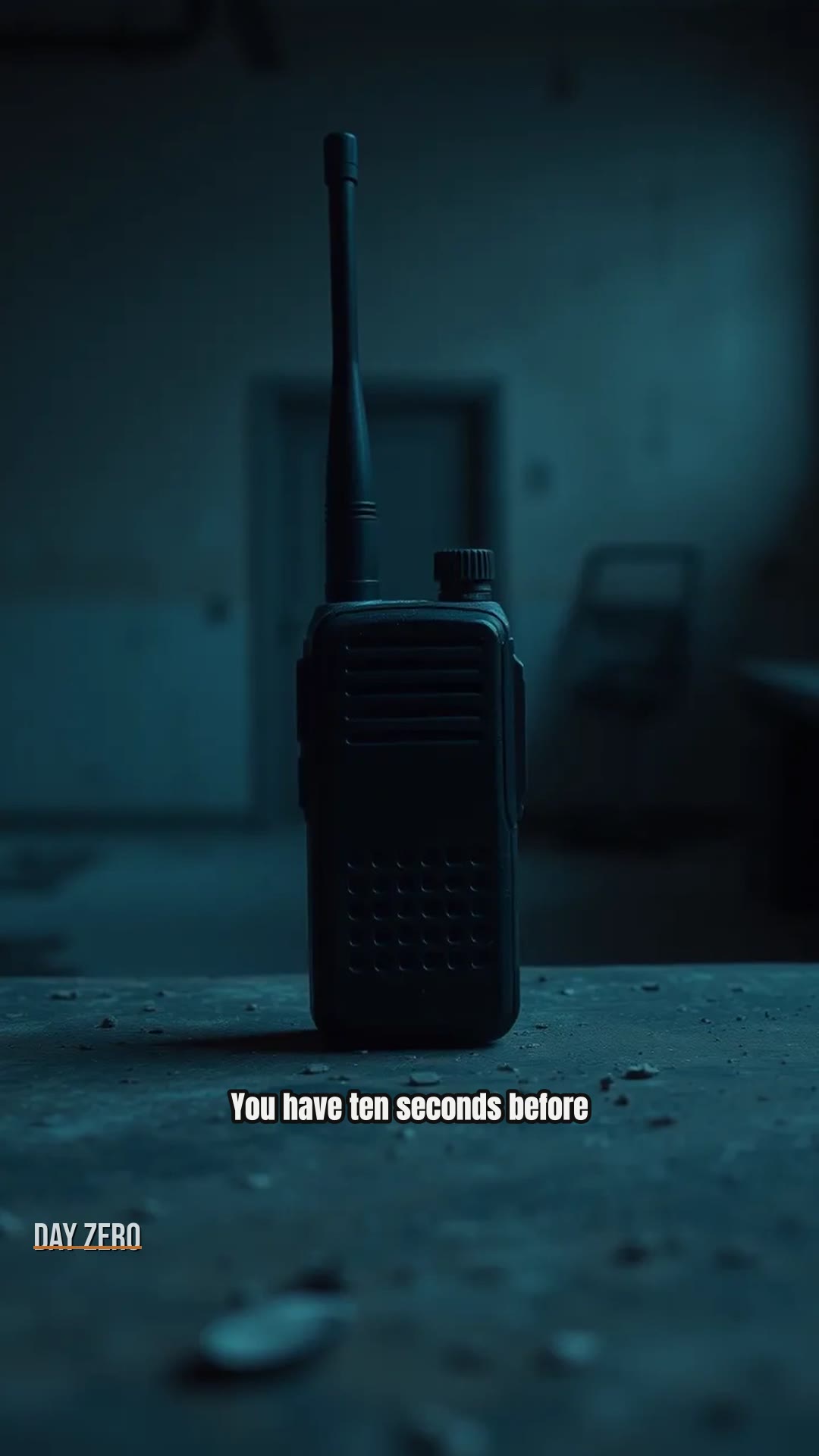
You Find a Working Walkie. Someone on Channel 3 Knows You're Alone. You have 10 seconds before the voice on channel 3 asks again. Reply, stay silent, or switch — what do you do before it costs you? Day three, empty town. The radio says: I know you're alone. Rule one: listen first. Keep the volume low. Reply? Never say you're alone, or where you are. Strangers aren't rescuers yet. Stay silent and you learn: how many, asking or hunting? Change channels? Scan slowly for an official voice or a rescue message. Battery is your clock. Switch off between checks. If you speak, keep it short. Say we, not I. Reply, they hear you first. Silent, you hear them first. Switch, someone else finds you. What do you do? Comment your pick. This is an original Day Zero Survival short: one dilemma, one decision window, built on basic radio discipline (listen before you transmit, keep your location and situation off open channels, conserve battery). It is a story, not professional safety training — in a real emergency, call your local emergency number if any phone works and follow official instructions. Visuals and voices made with AI assistance. #DayZeroSurvival #survivaltips #safety #emergencypreparedness #lifeskills
@dayzerosurvival · 0 views
 0
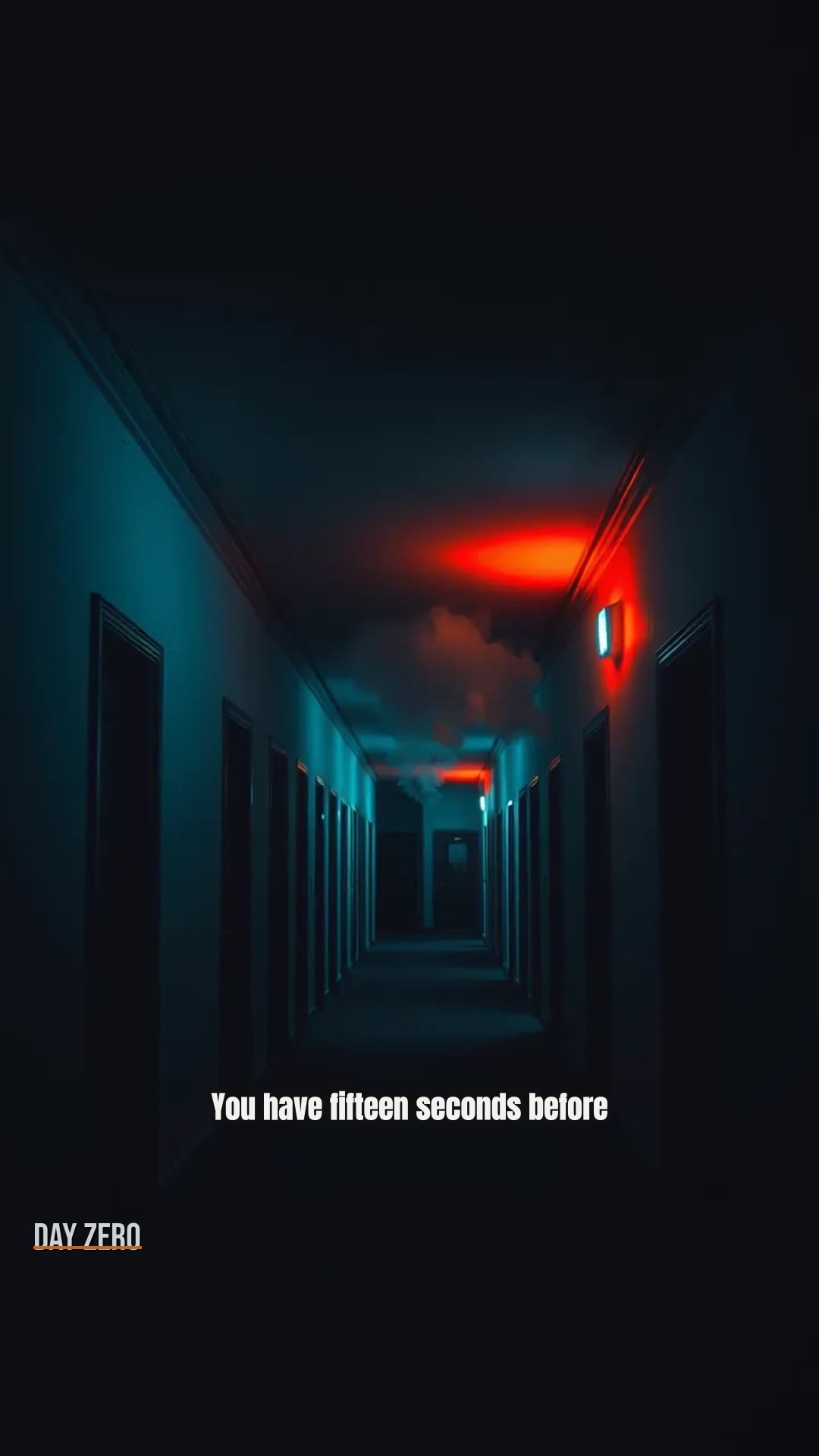
The Hotel Fire Alarm Rings. The Stairwell Is Already Smoke. Window or Roof? You have 15 seconds before the smoke takes the 18th floor. What do you do — window or roof — and why is the roof the trap? Eighteenth floor. One wet towel. A rope of bedsheets. Feel the door with the back of your hand. Hot means it stays shut. The near stairwell is smoke, so do not go in. And never take the elevator. Stay low. Check the second stairwell. The roof? Smoke rises, and roof doors can be locked. Bedsheet ropes are a last resort for low floors. Eighteen floors is a fall. Both stairs blocked? Go back in, close the door, and put the wet towel along the gap. Call for help with your room number, then signal from the window with a light or a sheet — to be seen, not to climb. What do you do first? Comment your pick. This is an original Day Zero Survival short: one dilemma, one decision window, built on real hotel and high-rise fire-safety guidance (NFPA / U.S. Fire Administration). It is a story, not professional safety training — in a real fire, follow the building's evacuation plan and the instructions of the fire service. Fictional survival scenario for learning safety thinking. In a real emergency, follow official guidance and call your local emergency number. Visuals and voices made with AI assistance. #DayZeroSurvival #survivaltips #safety #emergencypreparedness #lifeskills
 0
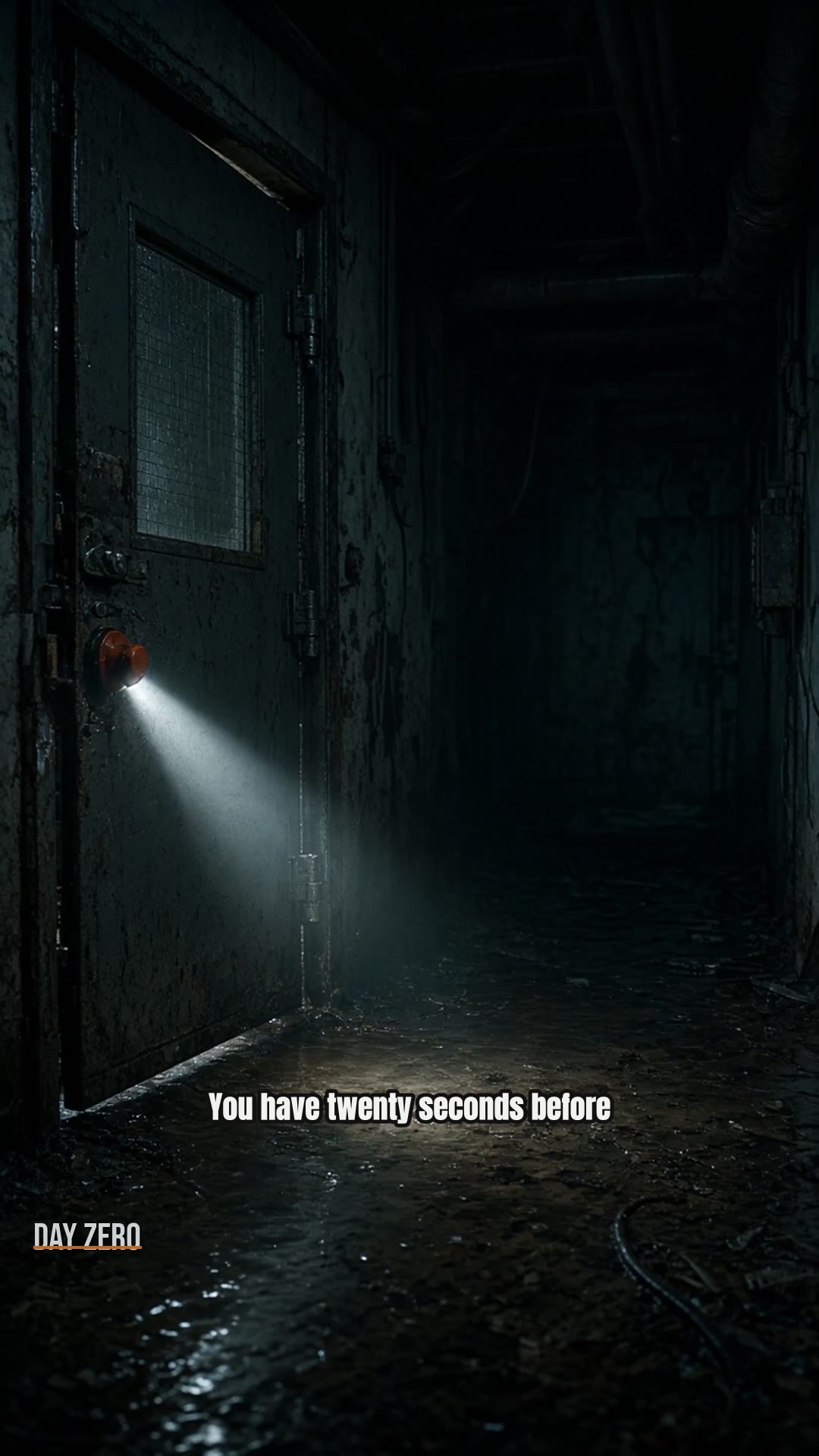
One Door, One Flashlight, Three Corridors. Pick Wrong and You're Trapped. You have 20 seconds before the air is gone. What do you do — and why is the dry corridor the trap? One door. One flashlight. Water is already at your shoes. Three corridors wait. The wall map is soaked. Only the left pipe room still has air. The right corridor looks dry. That is the trap. It can fill to the ceiling, or a door water will seal. The middle drops down. Down is a sump. Do not go lower. Six inches of moving water can knock you down. If you hear buzzing, get out of the water. Left is ugly — a pipe room. Get to the high air and the vent that goes up. Do not trust the air just because you can breathe. Twenty seconds. Left. Comment your pick. This is an original Day Zero Survival short: one dilemma, one decision window, built on real flood and confined-space guidance. It is not a "always go left" clone. Fictional survival scenario for learning safety thinking. In a real emergency, follow official guidance and call your local emergency number. Visuals and voices made with AI assistance. #DayZeroSurvival #survivaltips #safety #emergencypreparedness #lifeskills
@dayzerosurvival · 1 views
 0
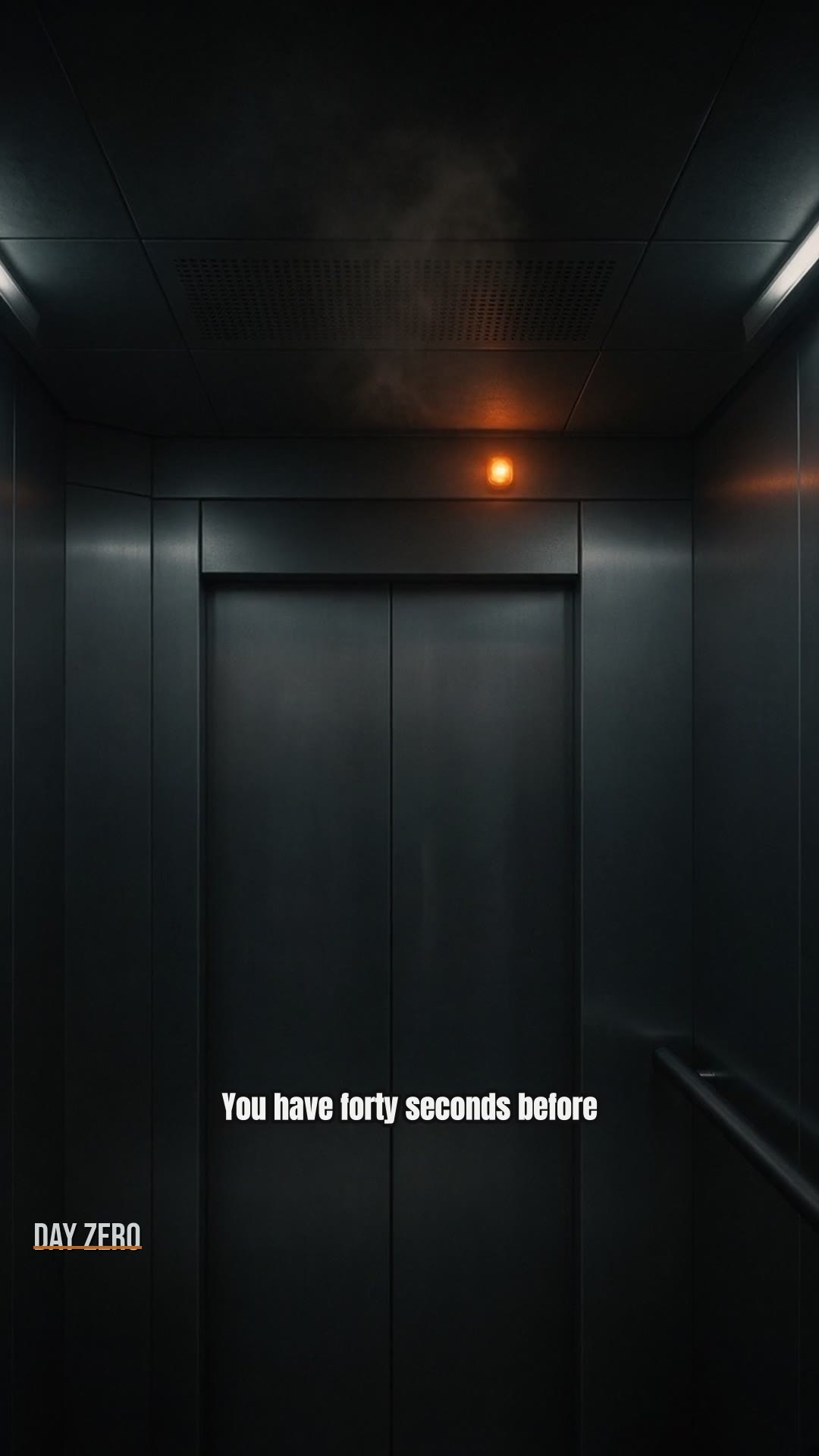
The Elevator Stops Between Floors. The Cable Is Smoking. Your Move. You have 40 seconds before smoke rises. What do you do — and why is the hatch the trap? The elevator stops between floors. The cable is smoking. Three strangers start arguing. One reaches for the ceiling hatch. Do not climb it. A hatch is for trained rescuers. The shaft can kill you if the car moves. Hit the alarm and the help button. If you have one phone bar, call emergency services. Tell them smoke, the building, and how many people. There is usually plenty of air in a stalled car — but smoke changes the math. Stay low. Smoke rises. Cover your mouth. Do not pry the doors into a dark hoistway. Do not light anything. Forty seconds. Alarm. Call. Stay low. Leave the hatch shut. What's your move? Comment it. This is an original Day Zero Survival short: one dilemma, one decision window, built on real elevator-safety guidance. It is not a hatch-escape clone. Fictional survival scenario for learning safety thinking. In a real emergency, follow official guidance and call your local emergency number. Visuals and voices made with AI assistance. #DayZeroSurvival #survivaltips #safety #emergencypreparedness #lifeskills
@dayzerosurvival · 0 views
 0
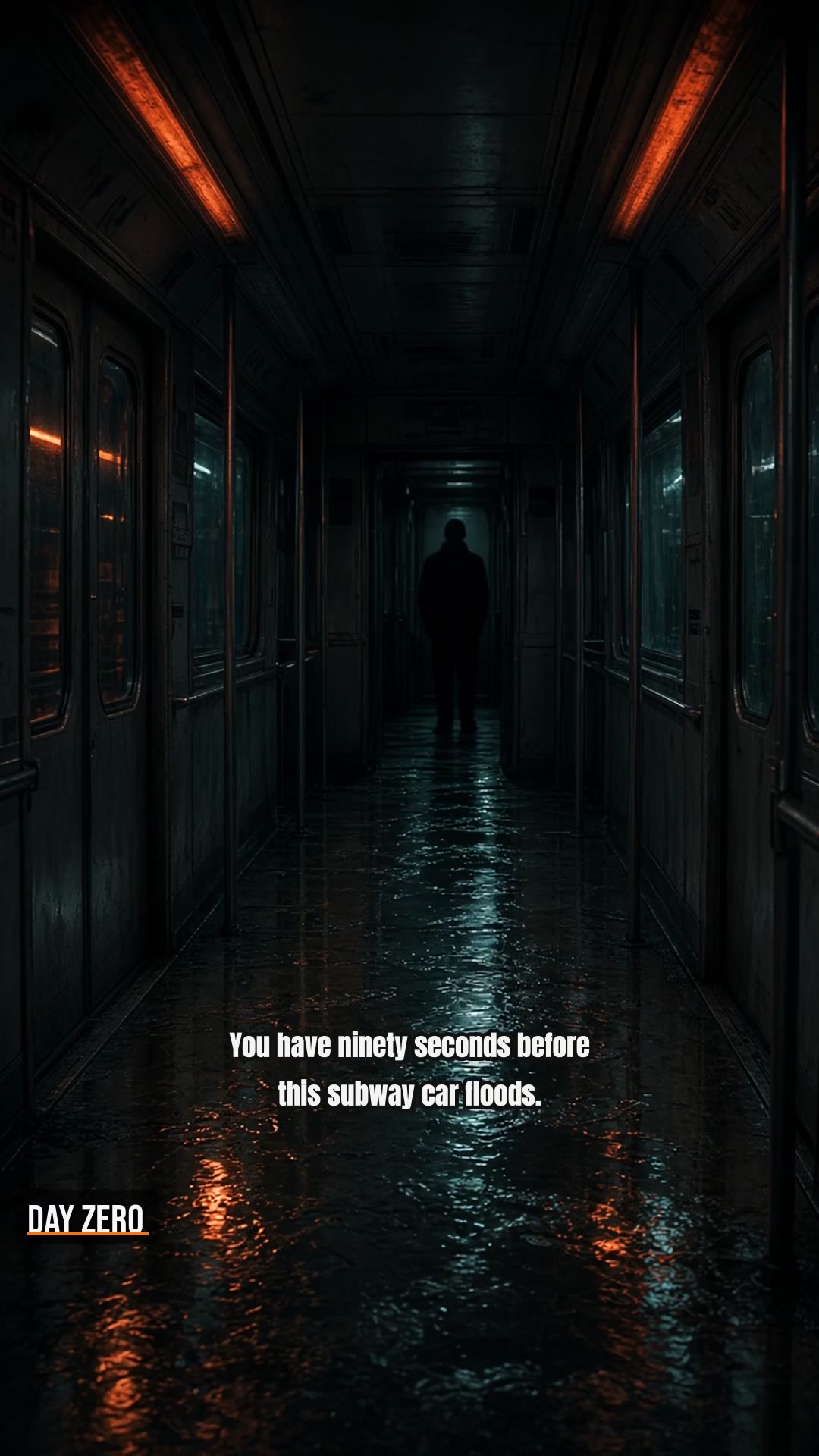
You Have 90 Seconds Before the Subway Floods. What Do You Do? You have 90 seconds before this subway car floods. The side doors are the trap. Lights die mid-tunnel. Water sheets under the seals and climbs your shoes. Do not yank the side doors — opening them can drop you into the gap. Look at the floor. Water runs downhill. That flow is your compass. Move against it, toward higher track, which often leads to a station. Stay inside while the floor is still a floor. Use the end doors. Walk car to car, uphill. If the water climbs faster than you can walk, exit an end door onto the benchwall — the raised path beside the tracks. The third rail may still be live. Never assume floodwater killed it. Stay off the rails. Do not swim blind. Ninety seconds. Against the flow. End doors. Benchwall. Walk. What's your move? Comment it. This is an original Day Zero Survival short: one dilemma, one decision window, built on real transit-evacuation logic. It is not a hatch-versus-swim clone. Fictional survival scenario for learning safety thinking. In a real emergency, follow official guidance and call your local emergency number. Visuals and voices made with AI assistance. #DayZeroSurvival #survivaltips #safety #emergencypreparedness #lifeskills
 0
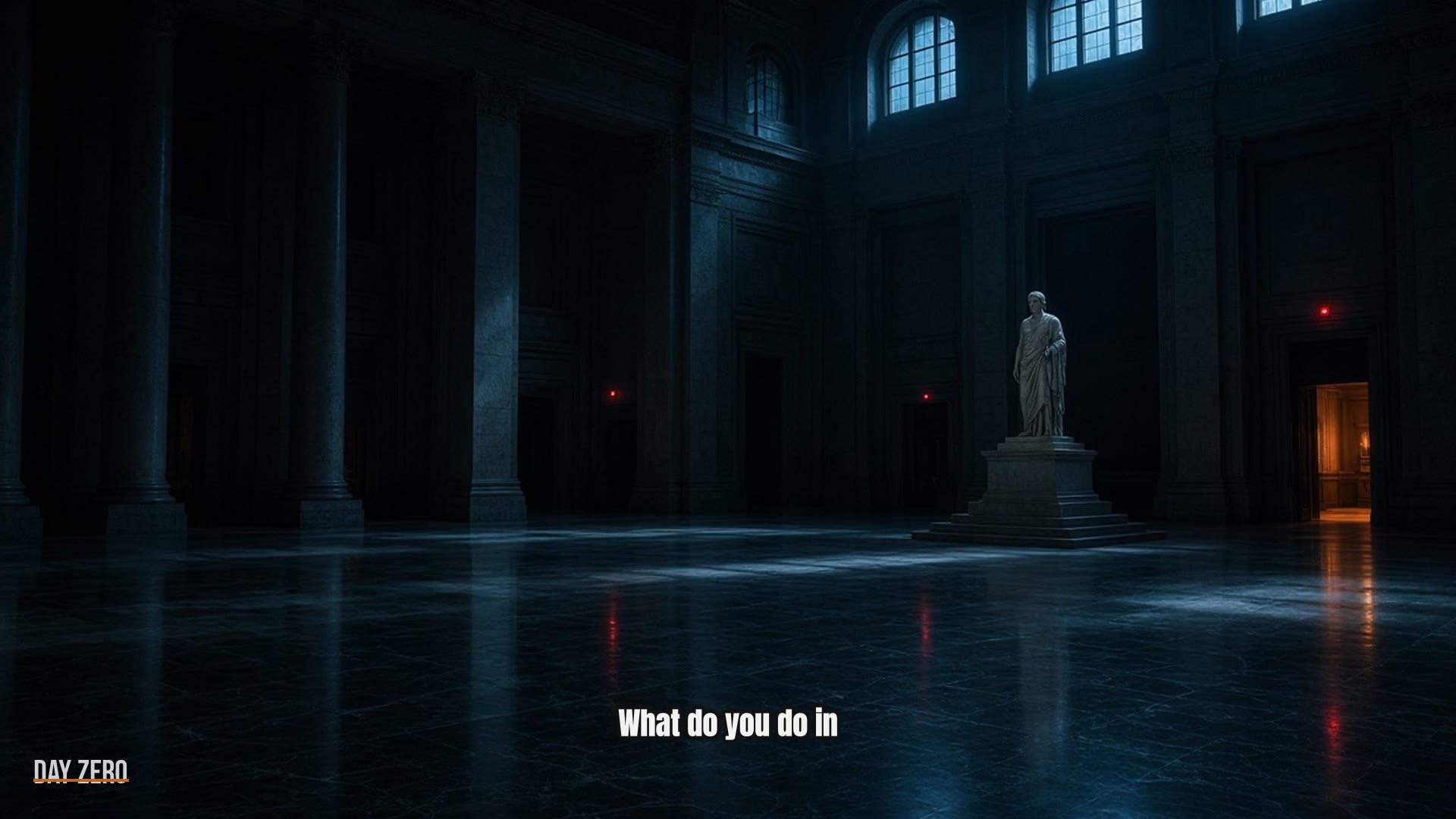
What If You Were Sealed Inside a National Museum Overnight During a Lockdown? What do you do in the first hour after the shutters drop at 4:45, before twelve sealed hours in a museum cost you your life? Day Zero Survival puts YOU inside a fictional national museum when a chemical leak puts the whole downtown under a shelter-in-place lockdown. The staff moved everyone upstairs, but they missed you. The steel shutters are down, the air vents have gone silent, a yellow haze is drifting through the streets outside, and one door at the end of the corridor still opens. Three decisions decide how you walk out at dawn: • Decision 1 — the door that opens: the loading dock is two minutes from the street. Why that's the trap in a chemical lockdown • Decision 2 — where you wait: why the basement is the wrong bunker, and how to seal an above-ground interior room • Decision 3 — how you get found: smash a case or pull the fire alarm, or make the call that tells them exactly which room you're in • The long night: the one rule that keeps you alive until the all-clear Fictional survival scenario for learning safety thinking. In a real emergency, follow official guidance and call your local emergency number. Visuals and voices made with AI assistance. #DayZeroSurvival #survivaltips #safety #emergencypreparedness #lifeskills
 0
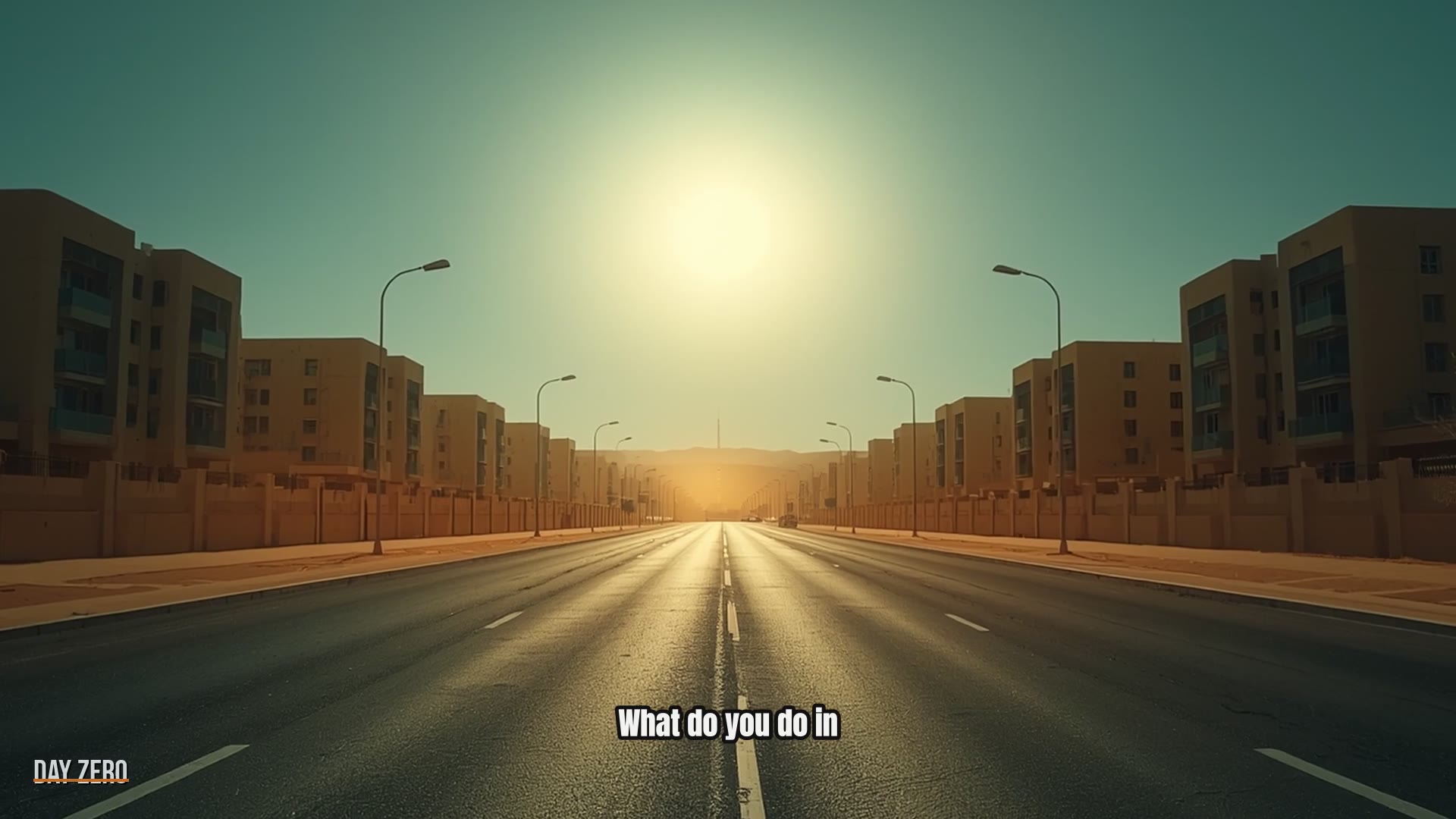
What If a Heatwave Sealed Every Outdoor Exit in Your Desert City for 7 Days? What do you do in the first hour after your air conditioner dies at 52°C, before seven sealed days cost you your life? Day Zero Survival puts YOU inside a fictional desert city during a seven-day heat emergency. The streets hit 52°C (about 126°F). Every building's outdoor exits are locked to keep people off the streets. The power is cut building by building, your AC clicks off on the sixth floor, the tap pressure is dropping, and the only cold thing left is a freezer full of melting ice. Then someone knocks. Three decisions decide whether you walk out on day seven: • Decision 1 — the freezer water: hoard every sip, or drink it? Why you ration water by using less of it, not by drinking less • Decision 2 — stay high or go down: why the roof is the trap, and why lower floors and underground spaces stay cooler • Decision 3 — who gets in: the neighbor with a generator, or the neighbor asking for help for someone else • Cooling your body, not the room: wet cloths, cool showers, curtains, and why a fan alone won't save you in extreme heat • Heat stroke vs. heat exhaustion: the warning signs, and what to do while you wait for help Fictional survival scenario for learning safety thinking. In a real emergency, follow official guidance and call your local emergency number. Visuals and voices made with AI assistance. #DayZeroSurvival #survivaltips #safety #emergencypreparedness #lifeskills
 0
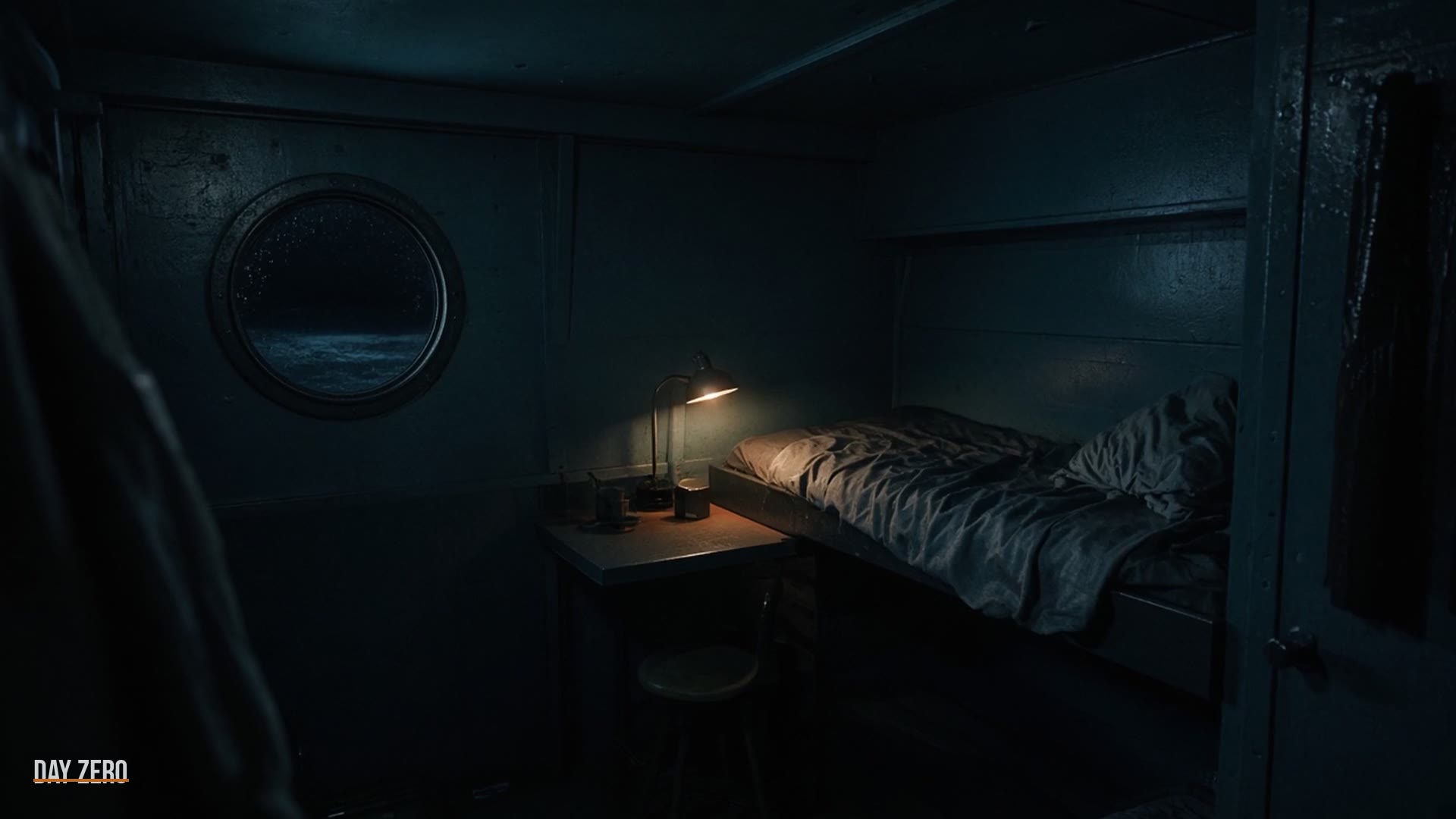
What If You Woke Up Alone on a Cargo Ship Mid-Ocean With No Crew? What do you do in the first 10 minutes before you kill the AIS, after you wake alone mid-ocean on a cargo ship with no crew? Day Zero Survival puts YOU aboard a fictional cargo ship — the MV Calder Tide — mid-ocean. You were a riding technician. You wake because the ship staggers. The corridor is empty. On the bridge, the wheel is unmanned, autopilot is engaged, a storm is already on the radar, the tanks read about half, the AIS is still broadcasting, and one lifeboat is gone. Most people would grab the wheel, or go dark. That can be the mistake. International rules say a ship fitted with AIS should keep it on unless safety or security is truly at risk. Official distress guidance is to use the radios first — VHF channel 16, digital selective calling, and the long-range or satellite set — and to stay with the ship until staying aboard is more dangerous than the water. Sources spoken in the narration (not invented): • IMO MSC.1/Circ.1656, GMDSS operating guidance: if the vessel is sinking or is to be abandoned, switch on the EPIRB and SART immediately and leave them on; if time allows, transmit a distress alert by HF/MF/VHF DSC or satellite. The EPIRB is the secondary means of alerting when radio is available • SOLAS / IMO: a ship at sea must be capable of transmitting ship-to-shore distress alerts by at least two separate and independent means • U.S. Fictional survival scenario for learning safety thinking. In a real emergency, follow official guidance and call your local emergency number. Visuals and voices made with AI assistance. #DayZeroSurvival #survivaltips #safety #emergencypreparedness #lifeskills
 0
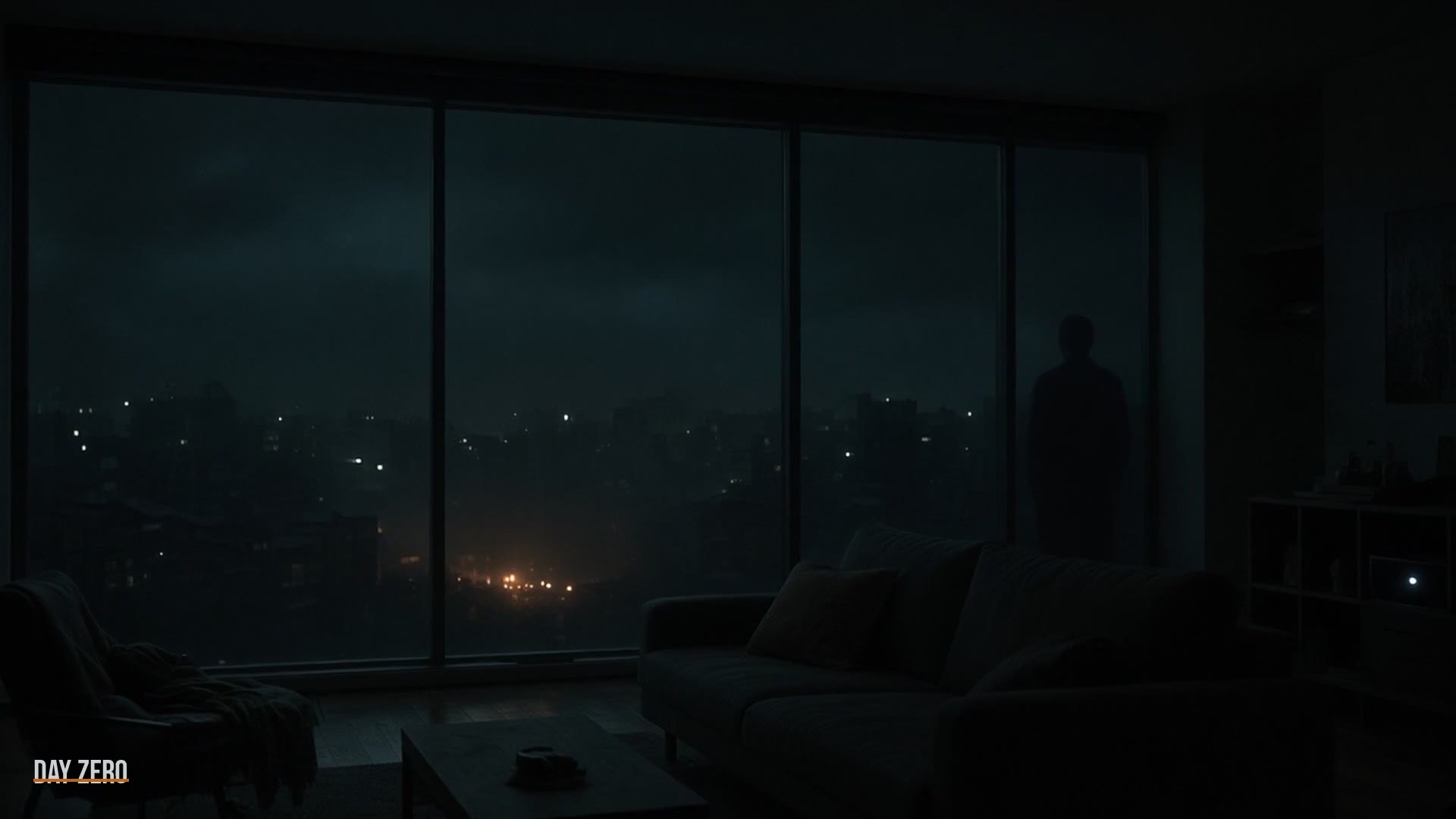
What If the City Power Grid Died at 2AM — and You Were the Only One Awake? What do you do in the first 90 minutes before your water dies, after the city grid goes dead at 2 AM? Day Zero Survival puts YOU inside a fictional high-rise — Northline Tower, floor 27 — from the second the city grid dies. You are the only one awake on your floor. Below you, an elevator is already trapped. The stairwell will not stay empty. Most people would run for the stairs. That can be the mistake. In many high-rises, the electric pumps that fill the rooftop tank stop when the grid dies, and upper floors lose water first. If the building is on battery emergency lighting only, the code target is about ninety minutes. That is a design target, not a promise. Sources spoken in the narration (not invented): • IBC / NFPA 101 emergency means-of-egress lighting design target of 90 minutes • IBC / NFPA 110 framing: emergency power often within about 10 seconds; legally required standby within about 60 seconds. Water-booster pumps are frequently optional standby loads, not guaranteed • NYC DEP, 2003 blackout: rooftop-tank pumps stopped; upper floors lost water first • A documented 2003 account of some battery hallway lamps fading in a couple of hours • USDA / FoodSafety.gov guidance on perishable food without power — about 4 hours in a closed refrigerator • Official elevator-safety guidance (including Schindler): plenty of air in a stalled car; use the alarm or phone; wait for qualified help; never climb out Fictional survival scenario for learning safety thinking. In a real emergency, follow official guidance and call your local emergency number. Visuals and voices made with AI assistance. #DayZeroSurvival #survivaltips #safety #emergencypreparedness #lifeskills
 0
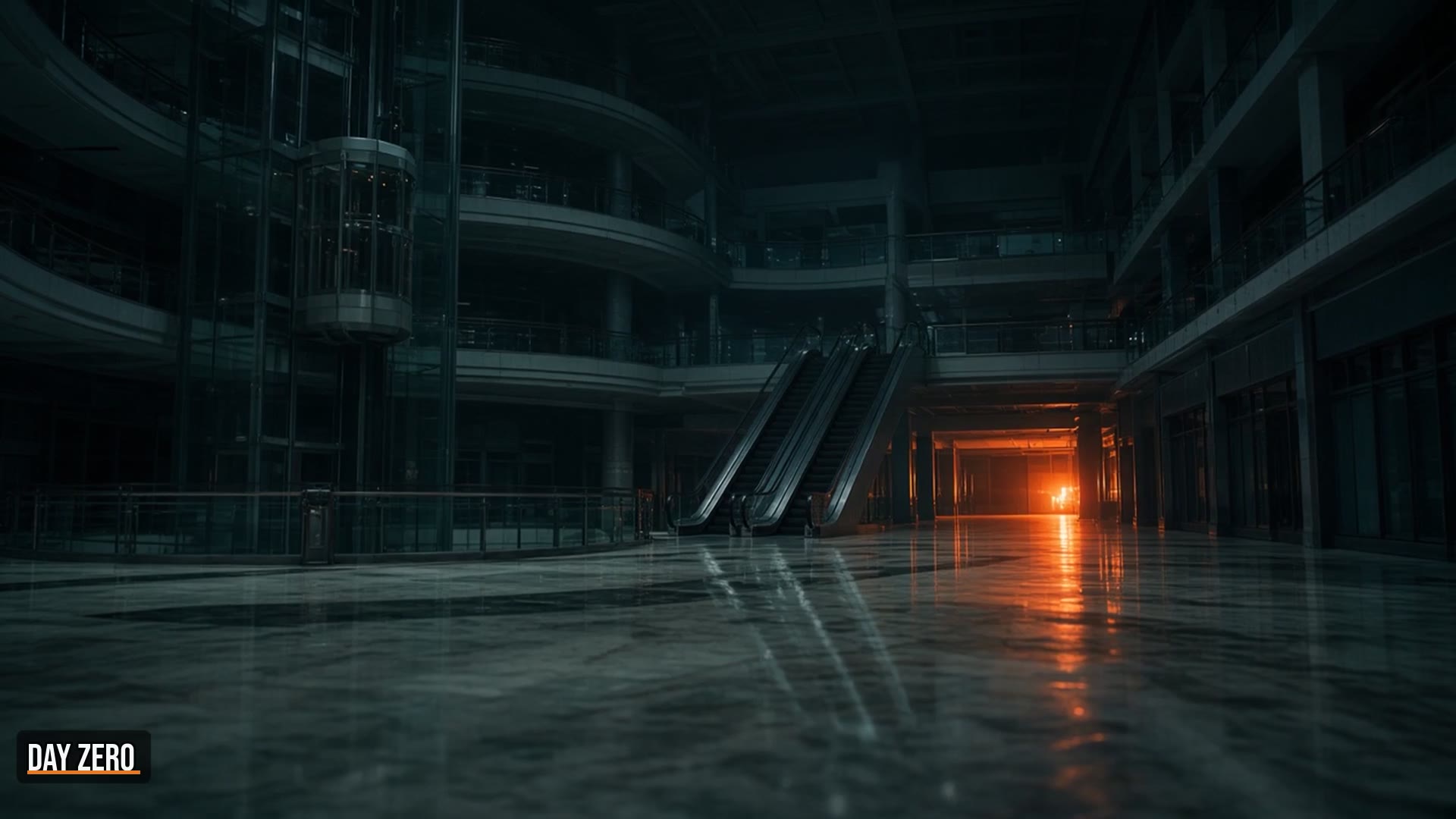
What If You Were Locked Inside a Mega-Mall for 30 Days With No Staff? What do you do in the first 90 minutes before the lights die, locked inside a mega-mall for 30 days? Day Zero Survival puts YOU inside a fictional mega-mall — Westbridge Galleria — from the second the shutters drop to Day Thirty. After a holiday lock and temporary flood plates, every crash bar you try hits steel. Help is logged. It is not coming tonight. Most people would walk straight to the food court. That is the mistake. On night three, the lights go out. Commercial emergency lighting is typically designed to last about ninety minutes. After that, the atrium becomes a cave, refrigeration dies, and the food court turns from a prize into a biohazard. This original second-person survival story walks you through real building logic instead of a looting fantasy: • Why ground-floor water may keep running after the lights fail — and why upper floors may not • How long perishable food actually lasts without power • Why pulling the fire alarm can soak your camp and trap you behind fire doors • How to signal from the glass without looking like a burglar • The quiet path trash already uses to leave the building Fictional survival scenario for learning safety thinking. In a real emergency, follow official guidance and call your local emergency number. Visuals and voices made with AI assistance. #DayZeroSurvival #survivaltips #safety #emergencypreparedness #lifeskills